Why Does My Dog Bark at Other Dogs on Walks?
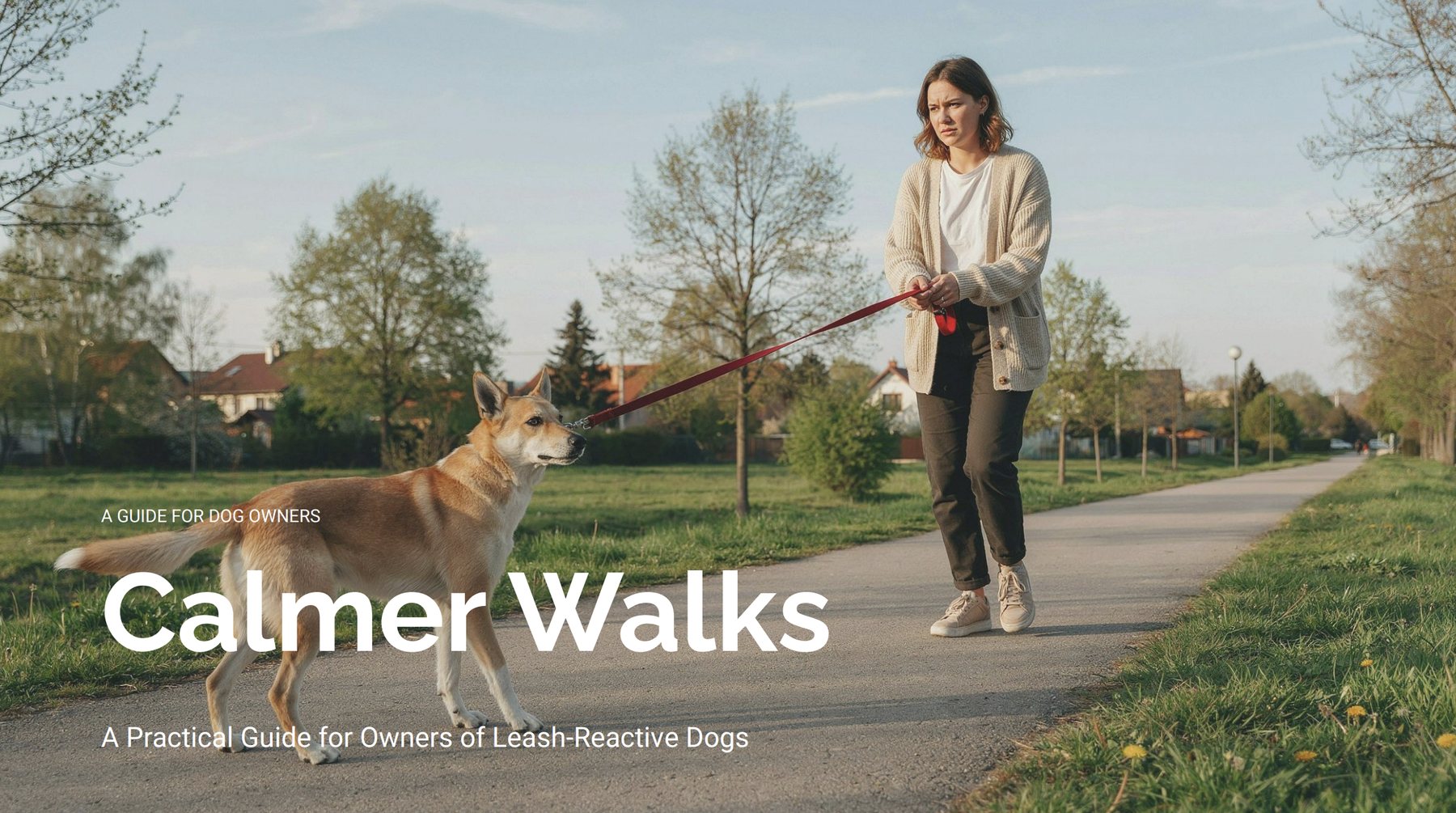
If your dog explodes into barking and lunging the moment another dog comes into view, it can feel embarrassing, exhausting, and confusing. The good news: this is one of the most common issues dog owners deal with, and it's rarely a sign that your dog is "aggressive" or poorly trained.
It's a description, not a diagnosis
"Reactive" describes behaviour you can observe — barking, lunging, freezing, growling, or intense fixation. It isn't a diagnosis, and it doesn't automatically mean your dog is dangerous. Two dogs can look identical from the outside while the cause underneath is completely different.
The behaviour you see is the end result. A trigger appears → your dog perceives it and has an emotional response → their body activates physically (heart rate, adrenaline, muscle tension) → they behave (barking, lunging) → something happens as a result → and your dog learns from that outcome. Barking is usually the visible tip of a much longer chain.
The most common underlying causes
From the outside, barking at another dog can look the same regardless of what's actually driving it. A few of the most common explanations:
Fear
Your dog wants to create distance from something that feels unsafe. Barking and lunging are ways of saying "stay back" — not an invitation to fight.
Barrier frustration
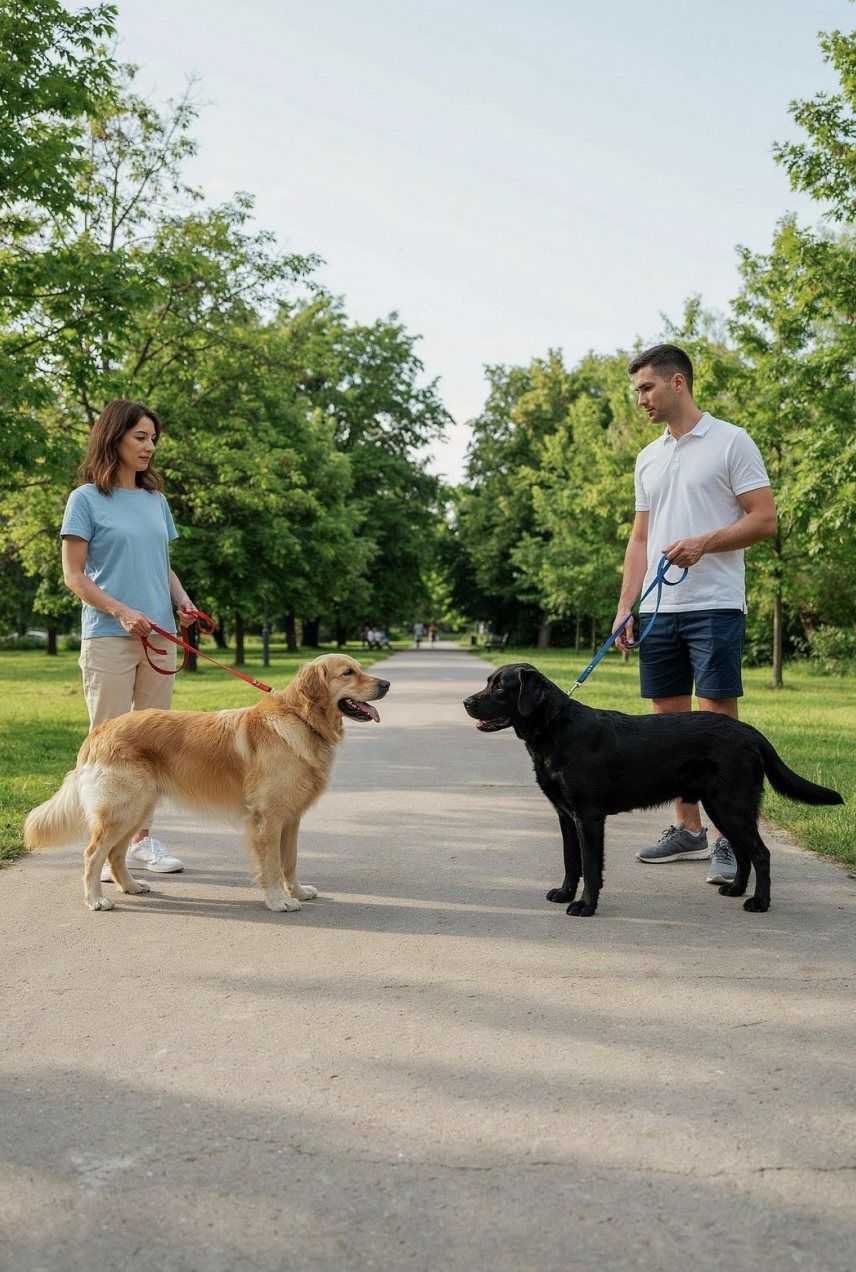
Some dogs are genuinely friendly and want to approach — but the leash prevents it. That blocked social intent can come out as frustration that looks a lot like aggression.
Arousal
High excitement — not fear — can also produce barking and pulling. It's driven by over-stimulation rather than a desire to escape or fight.
Pain
A dog in physical discomfort may have a lower tolerance for stress in general, and react more intensely than they otherwise would. If reactivity appeared suddenly or has worsened, a vet check is a reasonable first step.
Why "just correct it" usually backfires
Punishing barking at a trigger doesn't address why your dog is barking — it adds a second unpleasant thing (the correction) on top of a trigger they already found difficult. That can make the trigger feel worse, not better, and can suppress the warning signals you actually rely on to see trouble coming.
What actually helps
Two things matter more than almost anything else: the distance between your dog and the trigger, and what your dog experiences while the trigger is present. Working at a distance where your dog can still notice the trigger without going over threshold — and consistently pairing that trigger with something good — is the foundation nearly every effective, reward-based approach is built on.
This article is educational information, not a diagnosis. If your dog has a bite history or the reactivity involves serious aggression, speak with a vet or a qualified, force-free behaviour professional.
The guide
Want the full framework?
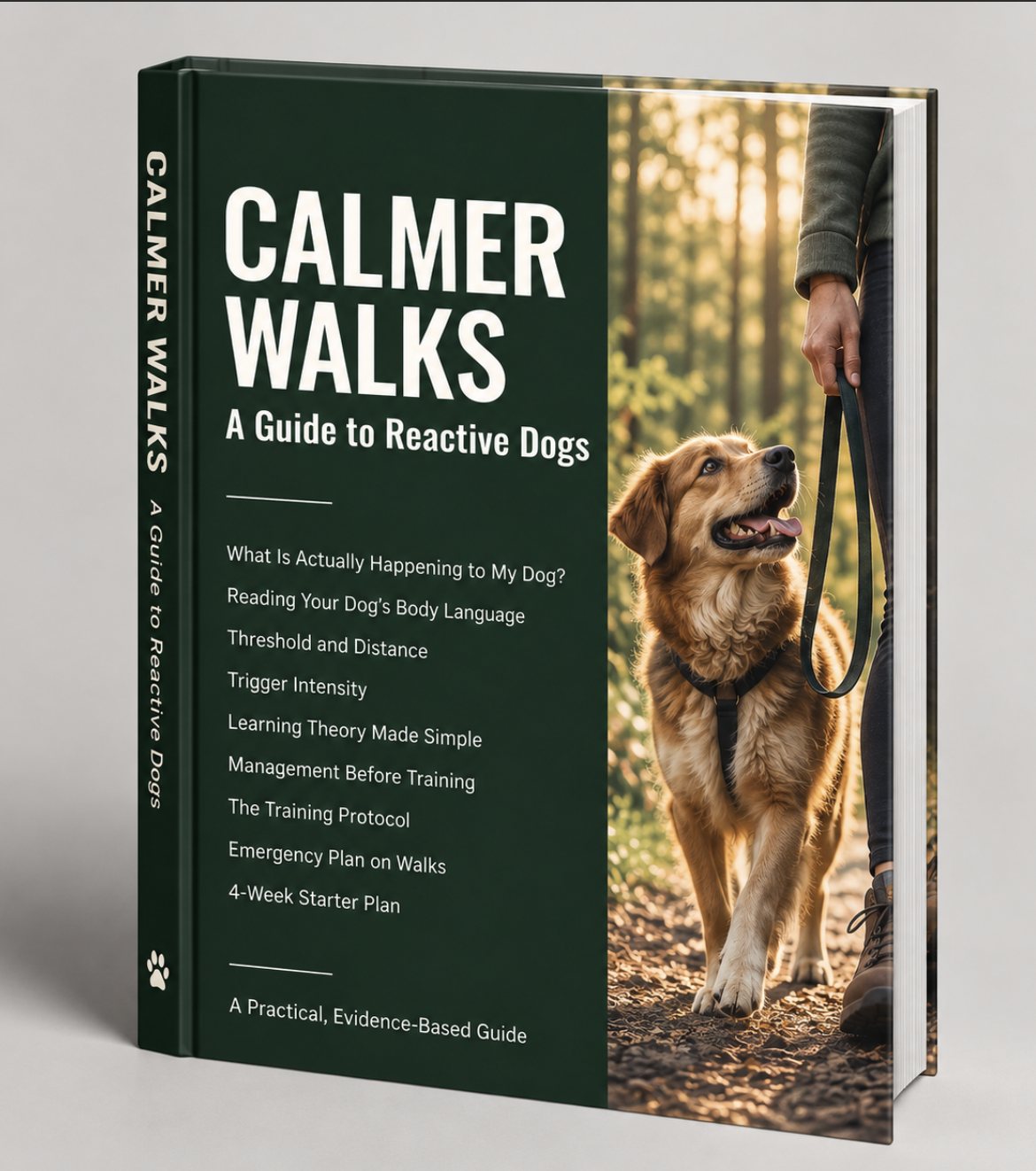
Calmer Walks walks through the complete picture — the model behind reactive behaviour, how to read your dog's body language, threshold work, and a step-by-step training protocol.
Explore the Guide